
Clearer network boundaries
A logical view can make zones, permitted relationships and ownership boundaries easier to discuss before changes are made.
Plan logical segmentation, routing and secure connectivity for the users, sites and cloud environments your Seaford business depends on, with scope and dependencies confirmed before implementation.
A considered discussion begins with the environment you have today.
Virtual Network, with clear scope and ownership.
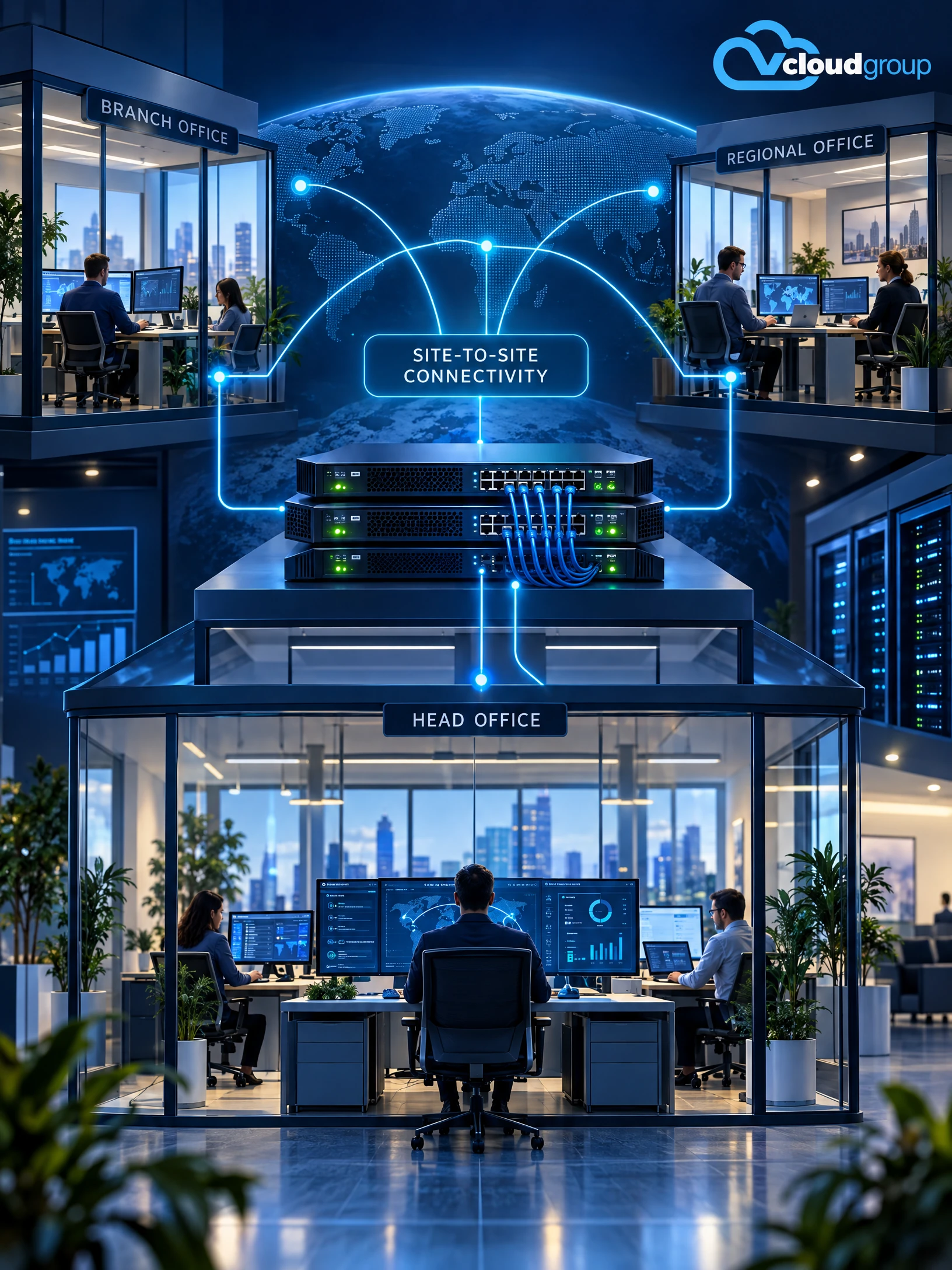
A Virtual Network is a logical design concern: it describes how environments, users, sites and workloads are separated and connected, rather than being a physical internet or ISP service. The architecture conversation can cover cloud, on-premises and hybrid dependencies, including the applications and security controls that rely on each route.
The proposed design may include logical zones, routing relationships, user access paths and site-to-site dependencies. The actual platforms, network boundaries, identity controls, carrier services, failover arrangements and implementation responsibilities need to be assessed and confirmed for the organisation before any conclusion is drawn.
Virtual Network should remain distinct from Azure-only products. If a particular cloud platform, virtual appliance, subscription, licence or third-party service is required, that dependency is a separate scope item to confirm rather than an inclusion implied by this profile.
This draft profile describes a proposed design conversation, not a guaranteed product inclusion. The environments, platforms, access model, dependencies and delivery arrangements are confirmed for each organisation.
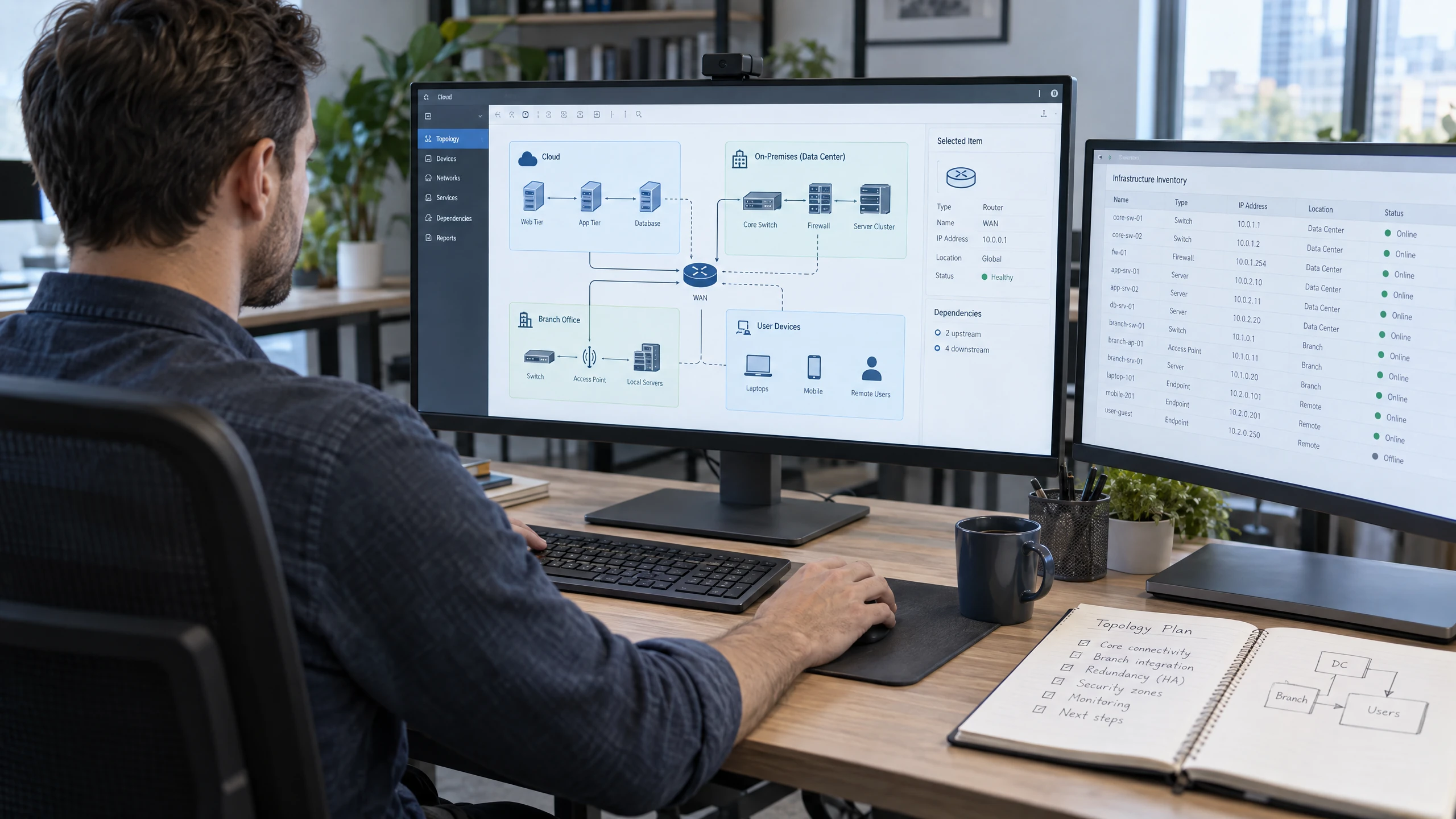
Map how users, applications, sites and virtual environments should connect.
The proposed design can document logical zones, traffic relationships and required access paths across cloud, on-premises and hybrid environments. The final topology, platforms and implementation scope require confirmation.Discuss this requirement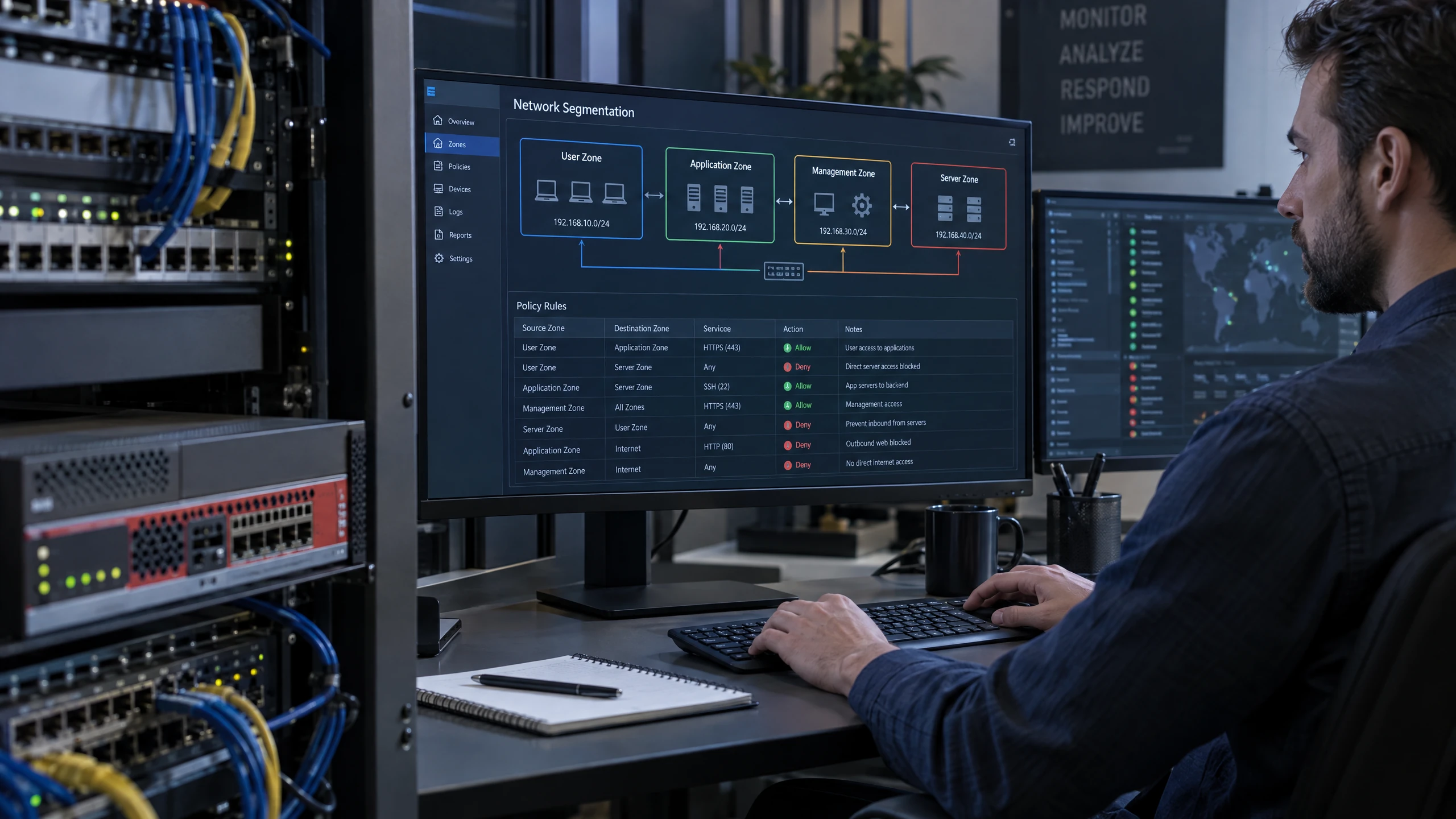
Separate environments and workloads according to access and risk considerations.
Segmentation may be proposed for users, servers, applications, management traffic or other logical areas. The appropriate boundaries and controls depend on the organisation's systems and must be confirmed rather than assumed.Discuss this requirement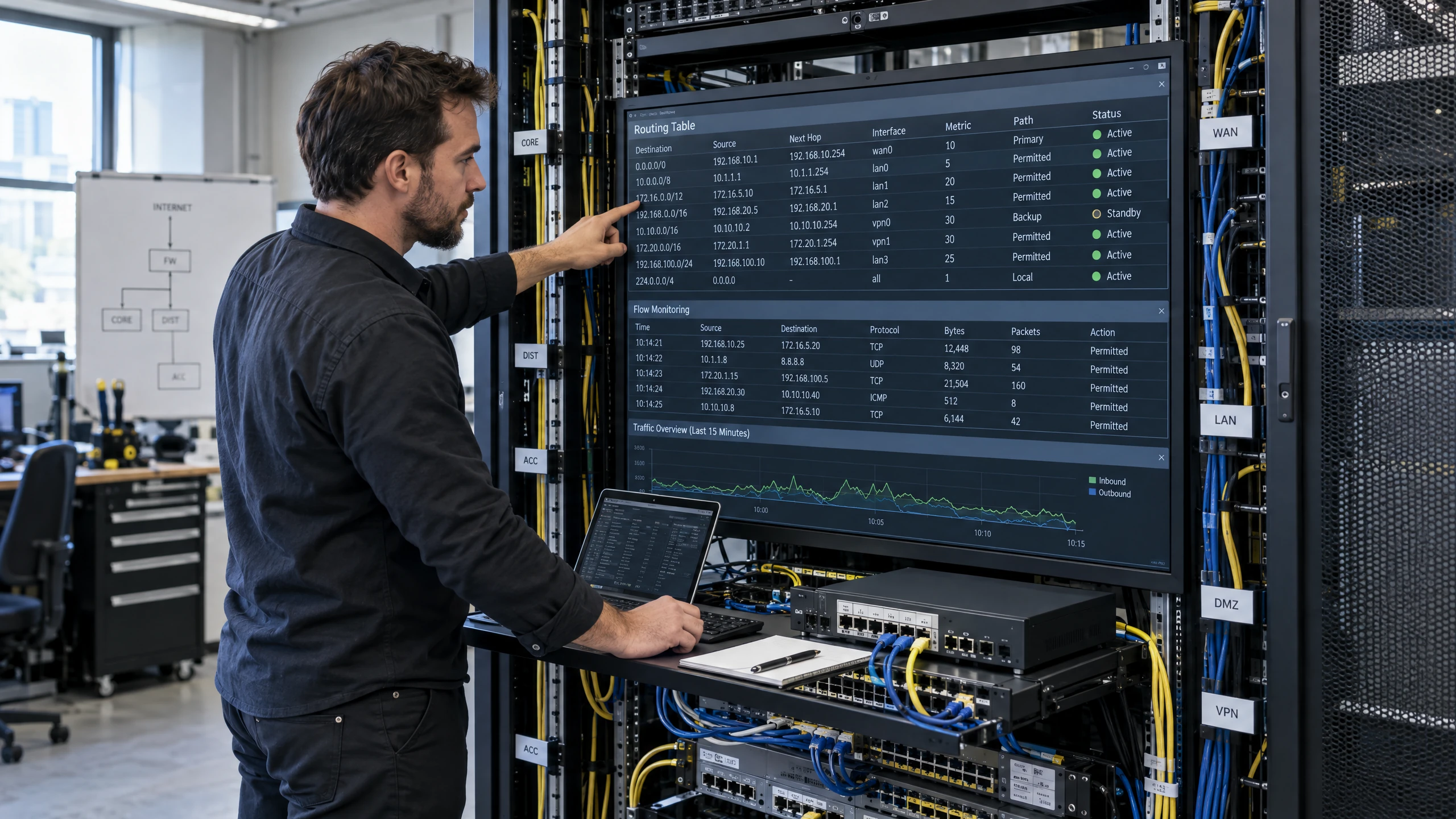
Define the routes and permitted flows that keep connected environments usable.
A routing review can identify required paths between sites, users, applications and virtual networks, alongside dependencies such as name resolution, identity or security controls. Routing technology and change responsibilities require confirmation.Discuss this requirement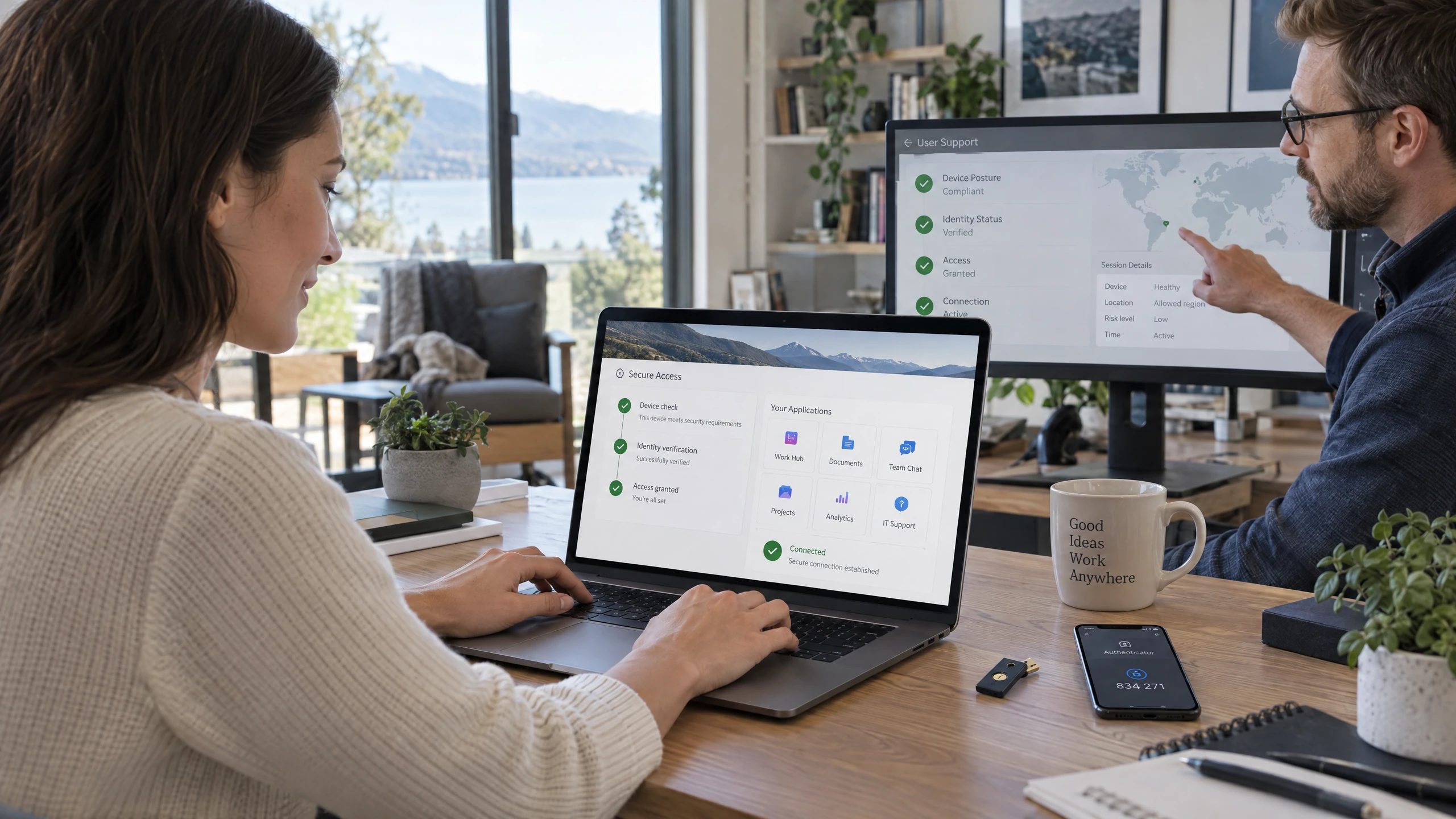
Consider how authorised users reach the environments and services they need.
The proposed access model can examine user locations, devices, applications and security dependencies for remote or distributed work. Authentication methods, credentials, tooling and support arrangements are not established by this profile and must be agreed.Discuss this requirement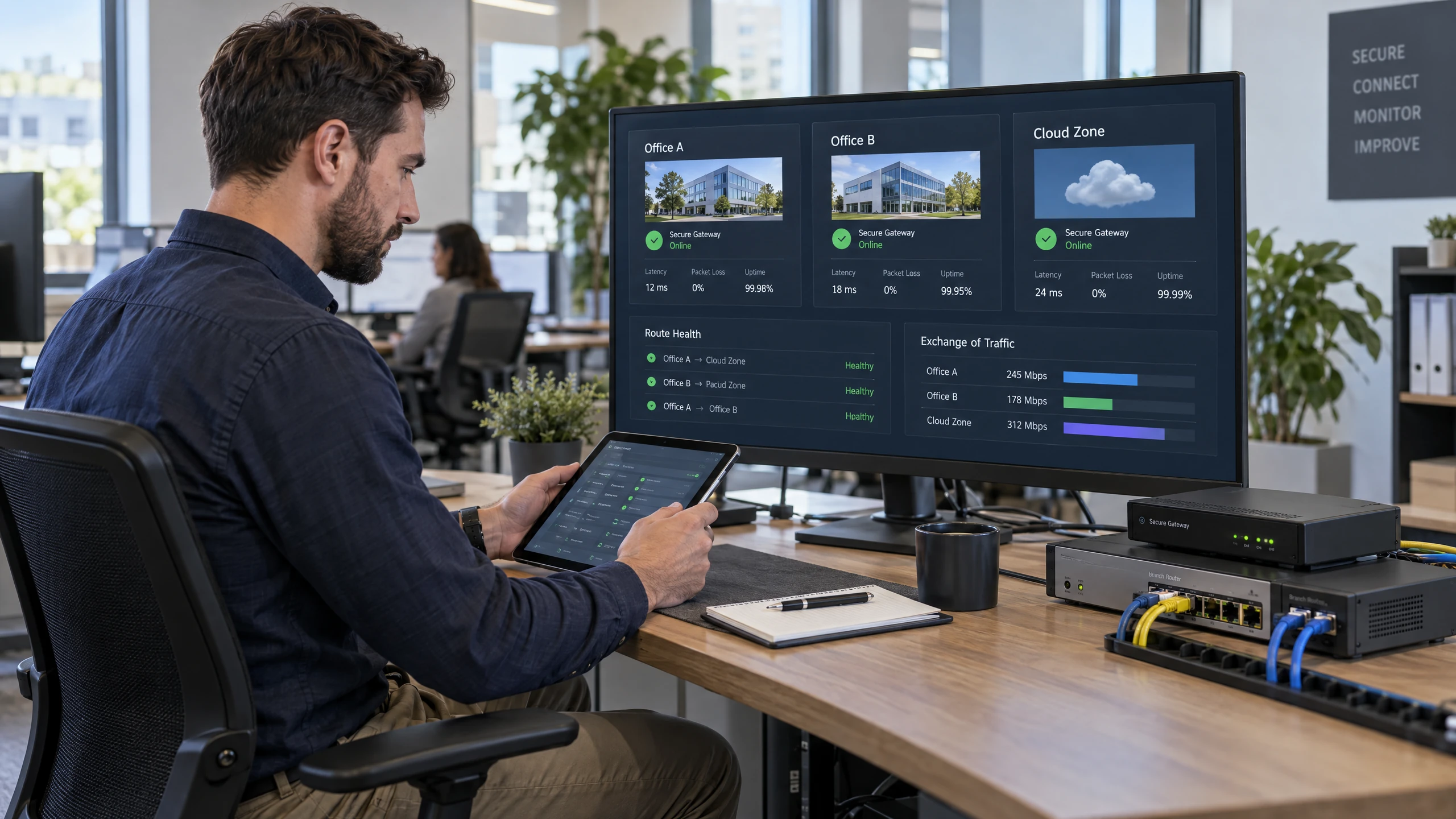
Plan logical connections between locations without presenting an ISP service as included.
A multi-site design can document how locations and virtual environments are expected to exchange traffic, including dependencies on existing internet or carrier services. Physical circuits, providers, failover and site coverage are separate proposed matters requiring confirmation.Discuss this requirement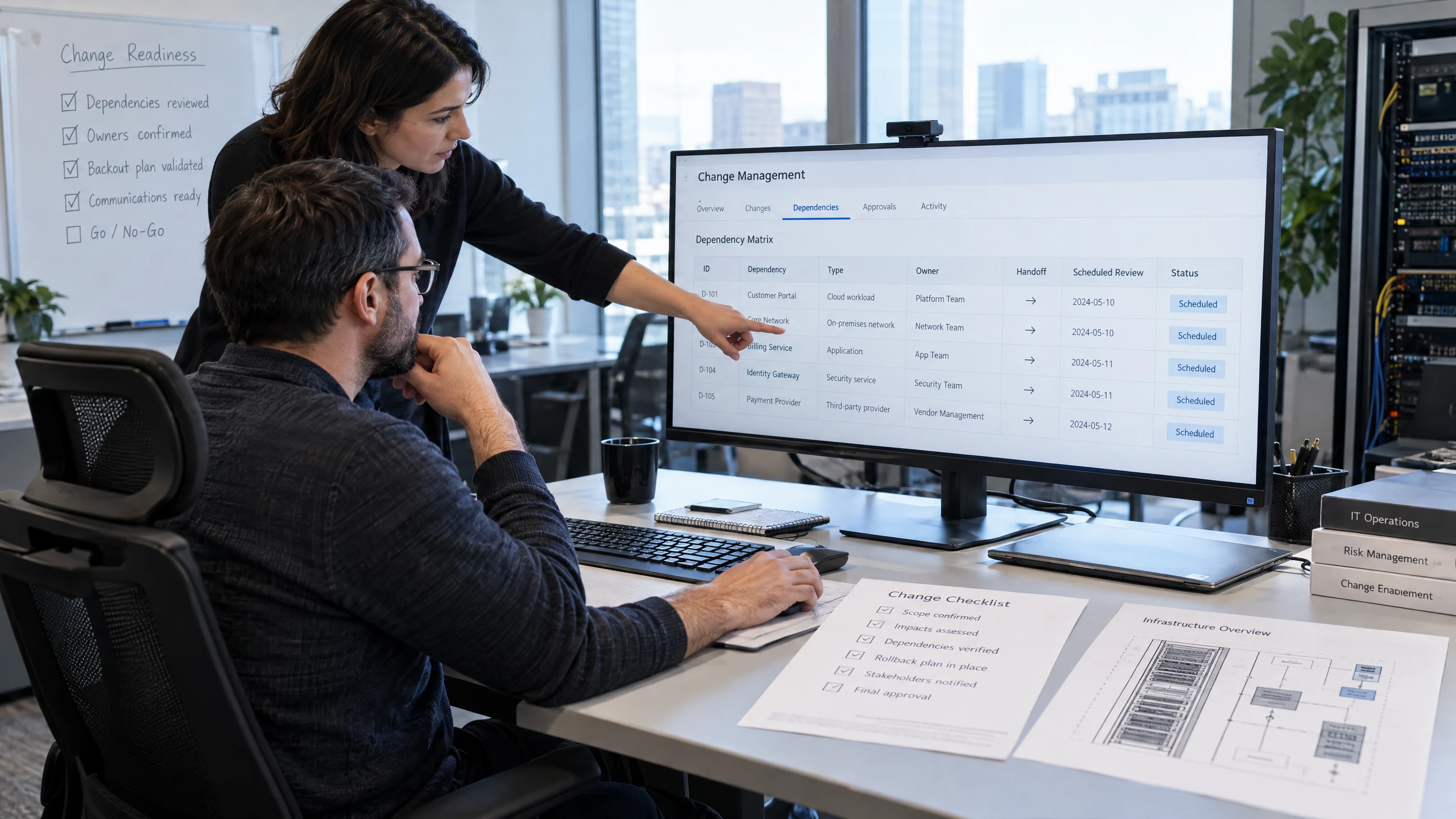
Make the surrounding systems and ownership boundaries visible before changes are proposed.
Review dependencies such as cloud workloads, on-premises networks, applications, security services and third-party providers. The outcome can identify decisions and hand-offs to confirm, but does not promise credentials, provider access or implementation availability.Discuss this requirementYour workplace, systems and operating requirements are the starting point for a useful technology discussion.
This page does not state that vCloud has a local office, a daily local roster or pre-confirmed on-site availability. Suitability and any delivery arrangements are confirmed after reviewing your requirements.
A Virtual Network discussion starts with how users, applications, sites and virtual or cloud environments need to communicate. The proposed design can map logical zones, dependencies and access paths without treating a physical ISP service as part of this profile.
The support conversation should begin with the current topology, affected users or workloads, required flows and the providers or teams that own connected systems. vCloud's public material describes cloud-focused, integrated and plain-English technology work, but it does not establish a product-specific Virtual Network implementation, credentials or service availability.
A logical network design does not by itself provide physical internet access, an ISP circuit, a guaranteed security outcome, a fixed response or recovery commitment, or access to another provider's systems. Remote and on-site arrangements, documentation, change windows and any implementation or support terms require confirmation in the proposal.
For a Seaford business, discuss premises, users, cloud environments, existing routes, security requirements and third-party dependencies before relying on the proposed design. Availability, local coverage, region or office coverage, pricing and service levels are not established by this draft profile.
Remote support for Virtual Network lets your team discuss service questions and issues without assuming an office visit is needed.
We can discuss remote access, the issue or requirement, and the information needed to investigate it safely.
The discussion can stay focused on your Virtual Network setup, the issue you are experiencing and the access needed to investigate it remotely.
Remote access, scope and timing can be confirmed when you contact us.

Bring the detail that affects your people, systems and decisions into one practical discussion.
A logical view can make zones, permitted relationships and ownership boundaries easier to discuss before changes are made.
Users, sites and virtual environments can be considered together so required routes and dependencies are less likely to be overlooked.
Segmentation and access decisions can be discussed alongside traffic flows and security requirements rather than treated as disconnected tasks.
Documenting dependencies helps distinguish the proposed logical network work from physical circuits, upstream services and other provider responsibilities.
Feedback from our clients.
Trevor and his team at vCloud helped me secure my windows desktop with Duo Security. Now, I can have peace of mind that every time my laptop is accessed, only I can authorise the access, because I need to allow connection from my mobile phone with DUO MFA. Highly recommended!
Different working environments bring different systems, rhythms and priorities into focus.

Client records, communications and advice platforms should be considered together. Discuss dependable access, staff permissions and business continuity without treating a generic technology package as proof of regulatory compliance.
Read perspective
Development teams, internal business systems and customer-facing tools can have different needs. Bring infrastructure, access and recovery into one discussion while clearly separating managed business IT from software-development responsibilities.
Read perspective
Candidate records, client communications and recruitment platforms need controlled access. Coordinate workplace tools and continuity requirements while keeping the applicant-tracking provider's responsibilities and personal-information obligations clearly identified.
Read perspectiveStraightforward answers to help you understand your options.
It is a proposed logical design for separating and connecting users, sites, applications and virtual or cloud environments. It can map zones, routes and dependencies, while the platforms, implementation scope and delivery arrangements still need to be confirmed for your environment.
No. A virtual network organises logical connections, routes and security boundaries. Physical circuits, internet access, carriers and their contracts are separate requirements and must be considered alongside the network design.
No. Virtual Network is not an Azure-only product here. If Azure or another platform, subscription, licence, virtual appliance or provider service is needed, that dependency and its scope must be confirmed separately.
The proposed design can consider logical connections between locations, users and virtual environments. Suitability depends on existing connectivity, devices, identity, security controls and provider responsibilities, so no site coverage, credentials or remote-access method is assumed.
Provide the locations, users, cloud or on-premises environments, important applications, required traffic flows, current providers and known access or security constraints. This supports an initial design discussion but does not establish pricing, availability, an SLA or an implementation commitment.
Implementation or ongoing support is a proposed next step, not an established inclusion. Availability, technical access, on-site or remote delivery, change responsibilities, support scope and any service commitments require confirmation after reviewing your environment.
Tell us what you need. We’ll help you understand the options and decide what comes next.
Use the enquiry form to tell us about your requirements.
Share the issue you’re facing, what you want to improve and any systems already in place.
We discuss your current setup, the people it needs to support and any practical requirements.
We explain suitable options and discuss the scope so you can decide how to proceed.
Tell us about your users, sites, cloud environments, applications and current connectivity. We can discuss a proposed logical design, identify dependencies and confirm whether the scope and delivery arrangement are suitable before work begins.